
Your event calendar is filling up. And the furniture project that didn’t seem particularly urgent a few months ago is still sitting on the to-do list.
Suddenly, there’s a deadline attached to it.
The requirement hasn’t changed. But your options might be dwindling.
The closer you get to the date the furniture is needed, the less flexibility you are likely to have. Preferred fabrics, finishes or specifications could have longer lead times. Larger quantities of materials may need to be sourced. Manufacturing schedules may be tighter. And internally, there’s still procurement, budgets, sustainability requirements and stakeholder approval to navigate.
What looked like a project with plenty of time can quickly become a frantic decision of “what are the options if I need it sooner rather than later” – and that’s when compromises start to creep in.
After more than 60 years working with hotels, conference centres and event venues, it’s a situation we know all too well at Burgess Furniture. And one of the simplest ways to avoid it is also one of the most overlooked… start the conversation earlier.
So, how early should you start planning a hospitality furniture project?
There’s no single lead time that applies to every commercial furniture project.
Product type, order quantity, specification, materials, customisation and manufacturing requirements can all influence how long a project takes. A large order of conference seating will present different considerations to new banqueting tables, a portable dance floor or furniture for a complete refurbishment.
And the furniture itself is only part of the timeline.
Venues also need to allow time for product evaluation, samples, quotations, internal stakeholder approval, budgets, supplier due diligence, final specification, manufacturing and, of course, delivery.
That’s why it’s useful to work backwards from the date the furniture needs to be in place, rather than forwards from the date you intend to start looking.
The earlier those conversations begin, the more options you’re likely to have available.
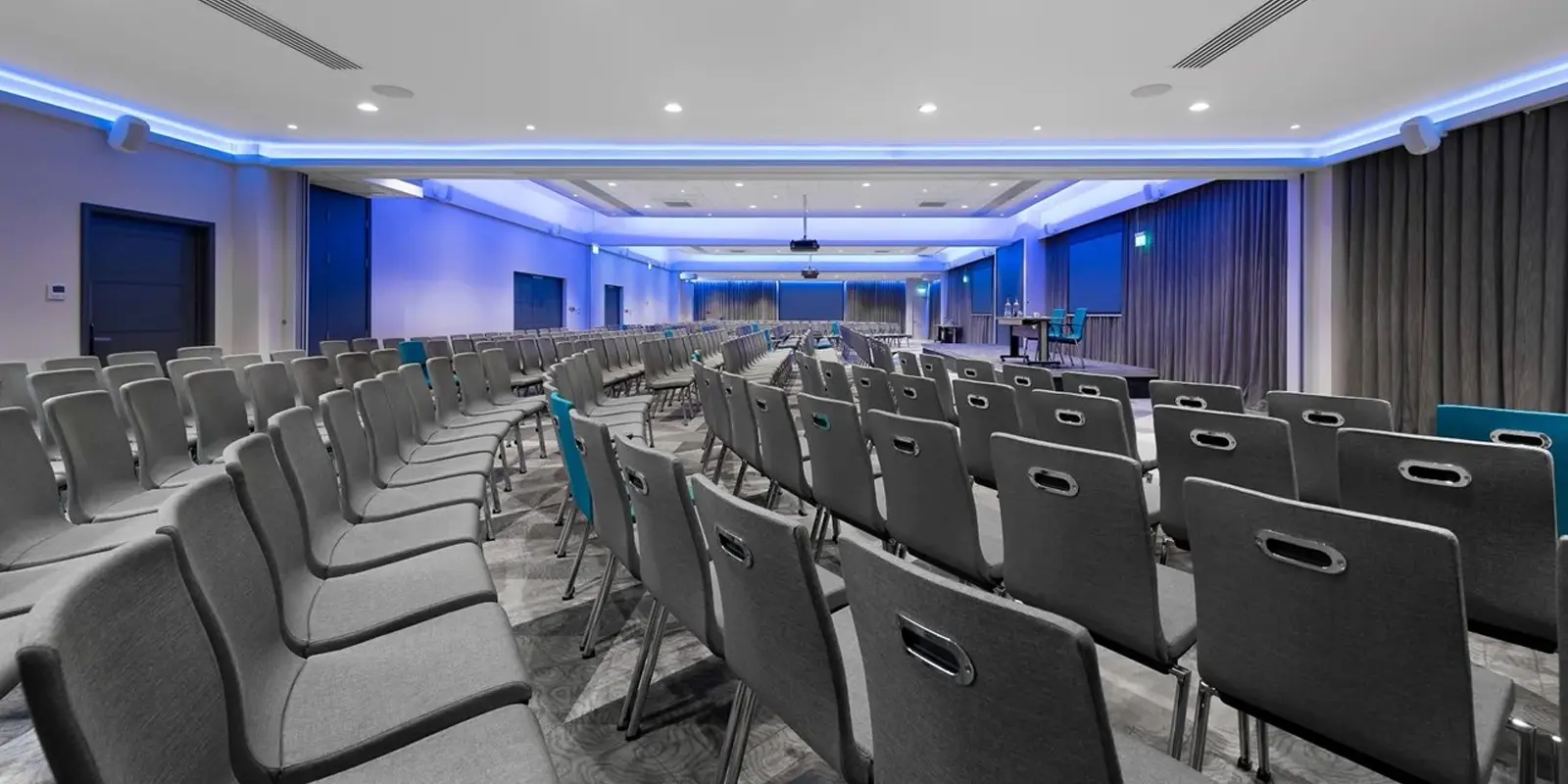
More time gives you more choice
Hospitality furniture shouldn’t simply be an off-the-shelf decision if it means compromising on what’s right for your venue.
Seating may need a particular fabric or finish to complement an existing interior. Tables need to suit the challenges of a multi-function space, including how they’re handled and stored between events. Other equipment may need to integrate with existing products or meet very specific operational requirements.
There may also be hundreds of identical pieces required.
When there’s plenty of time, those requirements can be explored properly. Samples can be reviewed, finishes compared and products evaluated. Operations teams can have their say. Different configurations can be considered before the final specification is agreed.
Shorten the timeline and the conversation can begin to change.
Instead of asking “What’s right for our venue?”, you may find yourself asking “What can we get in time?”
That’s an important distinction.
When you’re investing in commercial furniture that needs to perform through years of conferences, banquets, weddings and events, the decision should be based on what works best for your venue – not simply what I can get to fit an immediate deadline.
How material availability can affect hospitality furniture lead times
Choosing a material, fabric or finish doesn’t necessarily mean sufficient quantities are immediately available for your project.
Specifying something for a small quantity of furniture is one thing. Securing enough of exactly the same material for hundreds of chairs and tables or a larger venue-wide furniture project can be quite another.
Larger commercial furniture orders may require significant quantities of fabrics, laminates, timber, metals, components and other materials to be sourced and coordinated before manufacturing can begin. Consistency matters, so you don’t want to discover late in the process that there isn’t enough of a preferred material or finish to complete the entire specification.
If something isn’t available in the required quantity within the project timeframe, you may have to make decisions.
- Do you wait?
- Choose another material?
- Change the specification?
- Split the delivery?
- Or reconsider the programme altogether?
None of these is necessarily a problem when there’s enough time to consider the options. They become much more significant when an immovable event or reopening date approaches.
Starting earlier gives the furniture manufacturer more opportunity to identify potential availability issues, secure the materials required and discuss alternatives without compromising the overall project.
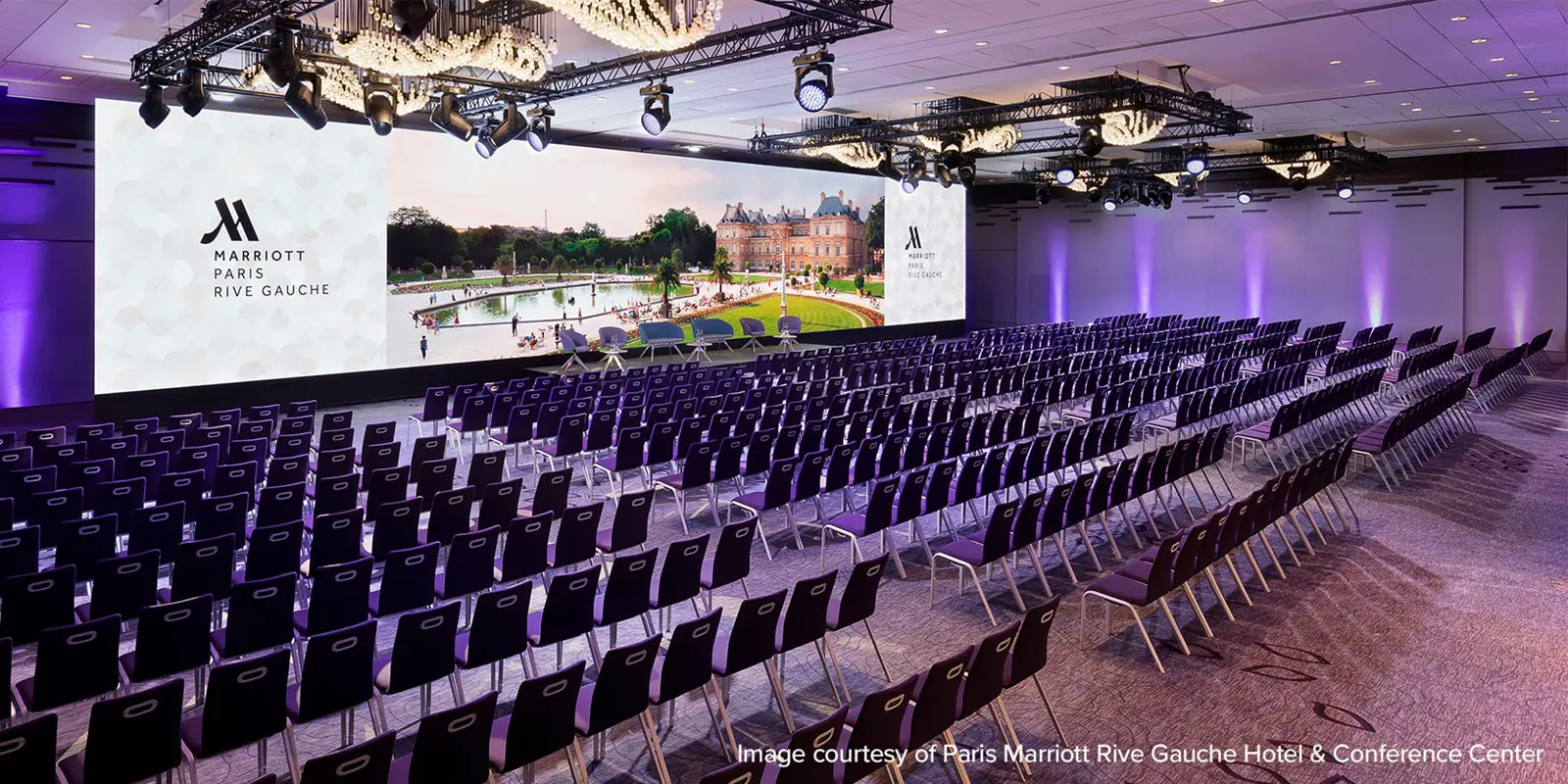
How long can hospitality furniture procurement take?
The manufacturing lead time is only one part of a furniture project’s timeline. Before anything reaches the factory, the decision itself often faces other hurdles.
Operations will need to assess whether the furniture works practically. Procurement needs to review the supplier and commercial terms. Finance may need to approve expenditure. Interior designers or brand teams could be involved in finishes and specifications. Senior management or ownership may require final sign-off.
Then there may be samples to evaluate, quotations to compare, quantities to confirm and specifications to approve.
Even when everyone agrees that new furniture is required, getting from “we need it” to “place the order” can take longer than expected.
Unfortunately, there aren’t any accurate methods to measure the complete timeline. Some projects will move considerably faster. Others can take longer, particularly where larger quantities, bespoke specifications or multiple stakeholders are involved.
The important point is that manufacturing doesn’t start when somebody decides they need new furniture. It starts when all the decisions required to place the order have been made.
Planning backwards from the date you need the furniture, rather than forwards from the date you begin looking, can reveal just how valuable those additional weeks or months can be.
Sustainability can add another layer to procurement
There’s another consideration that has become increasingly important in recent years.
Who are you buying from?
For many hotel groups and larger organisations, choosing a furniture supplier now involves considerably more than comparing products and prices.
Procurement teams may need to demonstrate that potential suppliers meet their organisation’s environmental, ethical and social responsibility standards. That can mean questionnaires, documentation, policies, supply-chain information and internal due diligence before a supplier is approved. It’s an important process. But it takes time.
Burgess has been independently assessed by The Hospitality Alliance for Responsible Procurement (HARP) and awarded a Silver Medal for its sustainability performance.
For procurement teams, independent accreditation can provide valuable reassurance when assessing a potential supplier and support internal due diligence processes by providing recognised evidence across environmental, ethical, labour and sustainable procurement practices.
That can make a meaningful time difference when a purchasing decision needs to pass through several layers of an organisation.
In other words, sustainability credentials shouldn’t just be something a manufacturer talks about. They should be something a procurement team can actually use.
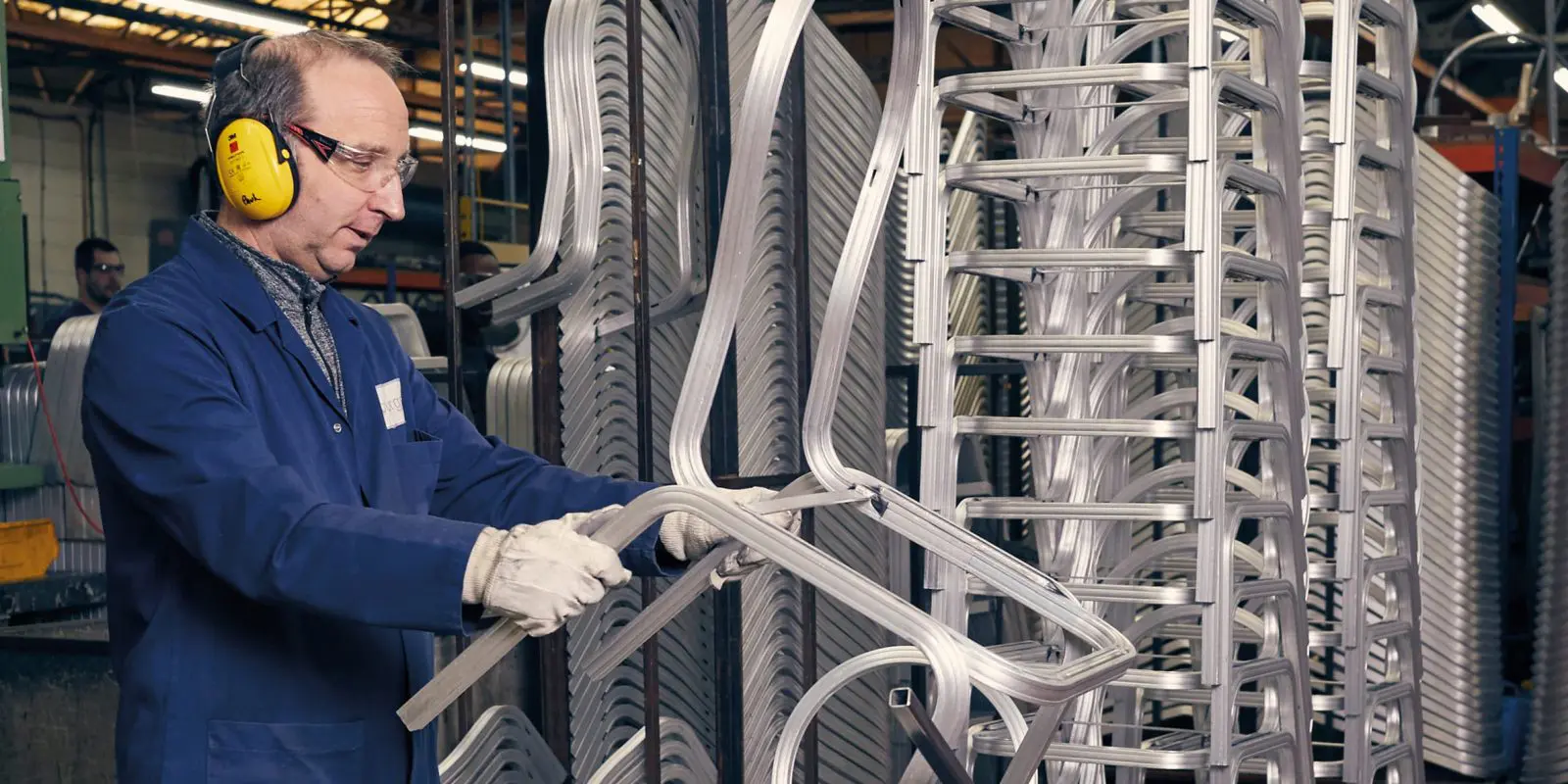
How global supply chains can affect furniture availability and cost
Even the best planned furniture project operates within a much bigger supply chain.
Raw material availability, energy and production costs, international transport, shipping routes, geopolitical events and unexpected disruption can all have consequences further down the line.
A disruption affecting fabric production might influence seating. Changes in timber or metal availability can affect tables and frames. Transport disruption can delay components required for production. Increasing raw material, energy or logistics costs can put pressure on pricing.
Sometimes the impact is relatively minor. Sometimes it affects availability. Sometimes it affects lead times or cost. And occasionally, several things happen at once.
No furniture manufacturer can promise that global disruption won’t happen. What matters is how prepared they are to respond when it does.
At Burgess, we’ve spent decades building close relationships with accredited, ethical suppliers. Long-standing supplier partnerships give us a much better understanding of where our materials and components are coming from and help us identify potential issues earlier.
That doesn’t make the supply chain immune to disruption, but it does mean we’re better placed to manage it. And when we’re involved early in a project, there’s naturally more opportunity to find solutions before an issue becomes a deadline.
Could leaving it later cost more?
Potentially. Material prices can fluctuate. Transportation costs can change. Availability can tighten. When deadlines become particularly restrictive, alternative arrangements may need to be considered.
But the higher cost isn’t always visible on an invoice.
A venue might compromise on a preferred specification because another option can be delivered sooner. Furniture or equipment may need to be hired as an interim solution. A delivery or installation may need to work around an increasingly busy events calendar. Or an operations team could inherit furniture that wasn’t quite the solution they originally wanted.
There’s also the longer-term consideration.
Choosing a table because it’s available quickly doesn’t necessarily mean it’s the most efficient table to handle, move or store. Selecting seating without enough time to evaluate comfort, durability or stacking performance can create operational frustrations long after the original deadline has passed. A short-term compromise can become a long-term one.
The purpose of planning ahead isn’t to predict exactly what materials, transport or manufacturing will cost several months from now. It’s to give yourself options if circumstances change.
Time creates flexibility. And flexibility can be extremely valuable in procurement.
Use the extra time to think about what happens after delivery
An additional advantage of starting early – you have time to ask better questions.
- What will happen to the furniture after an event?
- How frequently will chairs and tables be moved?
- How quickly does the operations team need to turn the room around?
- How much storage space is available?
- How many chairs can safely and practically be stacked?
- How easily can tables be transported between rooms?
- Could the same furniture work across several different room configurations?
- Will you be able to source matching furniture if additional quantities are needed in the future?
These aren’t necessarily the questions that first spring to mind when looking through furniture options. But over the lifetime of a product, they can become far more important than they appeared during the initial purchasing decision.
A little more time at the beginning of a project allows operational teams to become part of the conversation and products to be evaluated against what actually happens inside the venue.
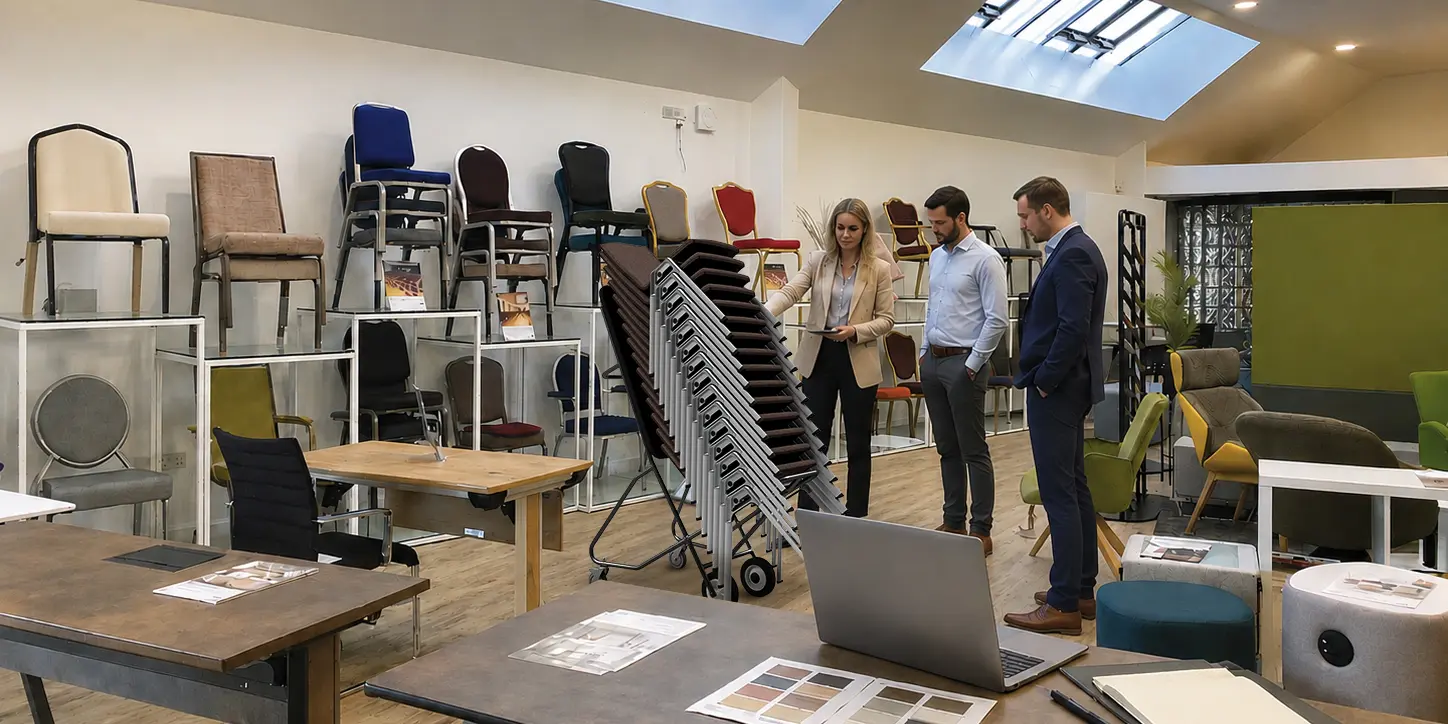
Don’t wait until you need it to start thinking about it
There will always be furniture projects that need to happen quickly. After more than 60 years in hospitality, we’ve certainly dealt with our fair share.
But when the date is known and the requirement can be anticipated, starting earlier gives everyone more room to work.
More time to explore. More time to specify. More time to gain approval. More time to source materials. And more time to deal with the unexpected.
Most importantly, it allows the conversation to remain focused on what’s right for your venue rather than simply what’s possible within the time remaining.
So, if new conference, banqueting, or other event furniture is somewhere on your venue’s horizon, perhaps the best time to start the conversation isn’t when you need it. It’s while you still have options.
Planning a hospitality furniture project?
You don’t need to have every detail decided before speaking to us. In fact, that’s often the best time to start the conversation.
If you’re considering new conference seating, banqueting tables, or other hospitality furniture in the months ahead, talk to the Burgess team about your requirements, timescales and operational priorities.
With more than 60 years’ experience in hospitality furniture, we can help you understand the options available, identify potential considerations early and plan the right route from initial specification through to delivery.
Start the conversation with Burgess Furniture while you still have options.