
With increasing pressure on budgets, it’s no surprise that many venues are exploring lower-cost options when purchasing banqueting tables. At first glance, the difference in price can be compelling, especially when outfitting large spaces or replacing multiple units at once.
However, when tables are used frequently across a wide range of events, the upfront saving doesn’t always translate into long-term value. In many cases, the true cost only becomes clear over time.
The Hidden Costs Behind Lower-Priced Tables
Cheaper tables can appear similar on the surface, but in operational environments, the differences tend to show quickly. Some of the most common challenges venues experience include:
- Reduced lifespan – lower-grade materials and construction can lead to quicker wear, meaning tables need to be replaced more frequently
- Increased maintenance – damaged edges, unstable frames or worn surfaces can require ongoing attention or repair
- Inconsistent performance – variations in build quality can affect stability and usability during service
- Higher long-term cost – repeated replacements often outweigh the initial saving
For venues running regular events, these issues can disrupt operations and create unnecessary hidden costs over time.
Why Durability Matters More Than Price
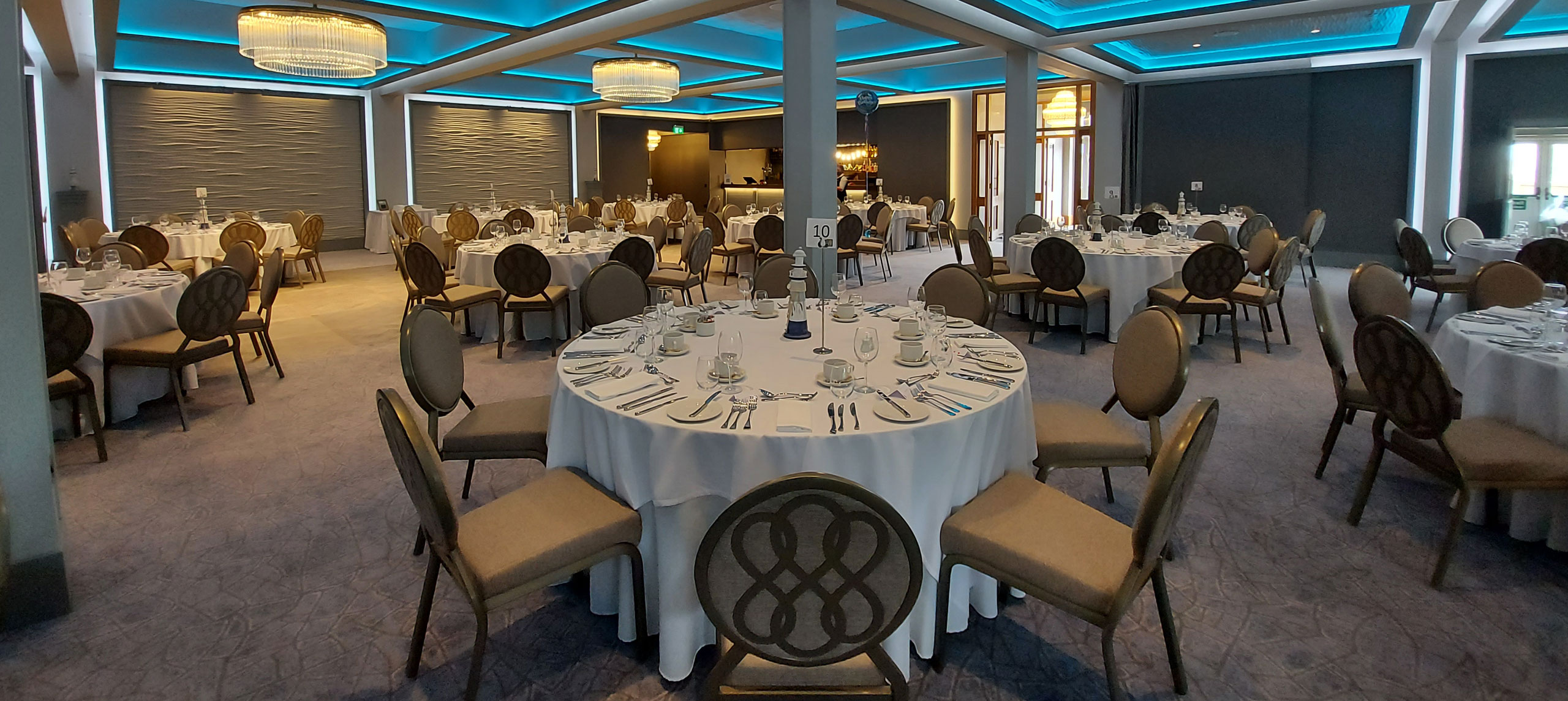
Banqueting tables are not a one-off purchase, they are a core part of day-to-day operations. From conferences and meetings to weddings and large-scale banquets, tables are:
- Set up and packed away repeatedly
- Moved, stored and handled by multiple team members
- Used across a wide range of layouts and purposes
In this context, durability becomes critical. A table that performs consistently over years of use will deliver far greater value than one that needs replacing after a shorter period.
Operational Efficiency: The Overlooked Factor
Beyond durability, the design of a table has a direct impact on how efficiently a venue can operate.
Key considerations include:
- Ease of handling – folding mechanisms affect how quickly teams can set up and clear spaces
- Storage footprint – space-saving designs reduce pressure on back-of-house storage areas
- Flexibility of use – the ability to adapt layouts without needing multiple table types
- Small inefficiencies in these areas can add up significantly over time, particularly in busy venues where turnaround speed is essential.
Guest Experience Still Matters
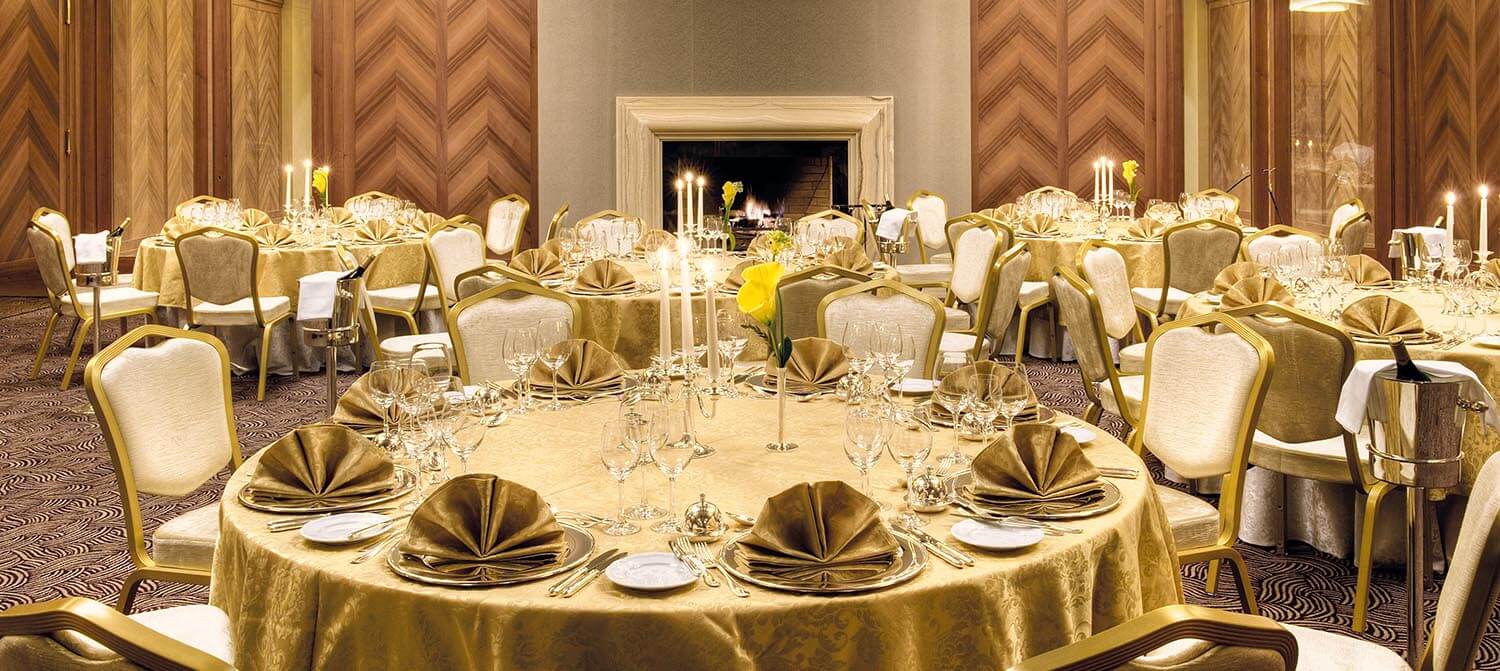
While much of the focus is on operational performance, the guest experience should not be overlooked. Tables play a central role in how a space looks, feels and functions. Poor-quality surfaces, instability or excessive noise can all impact the overall impression of an event. For example, hard, untreated surfaces can amplify the sound of glassware, cutlery and service, creating a louder and less comfortable dining environment, particularly during busy periods.
The Role of Surface Finishes: Understanding Flock Coating
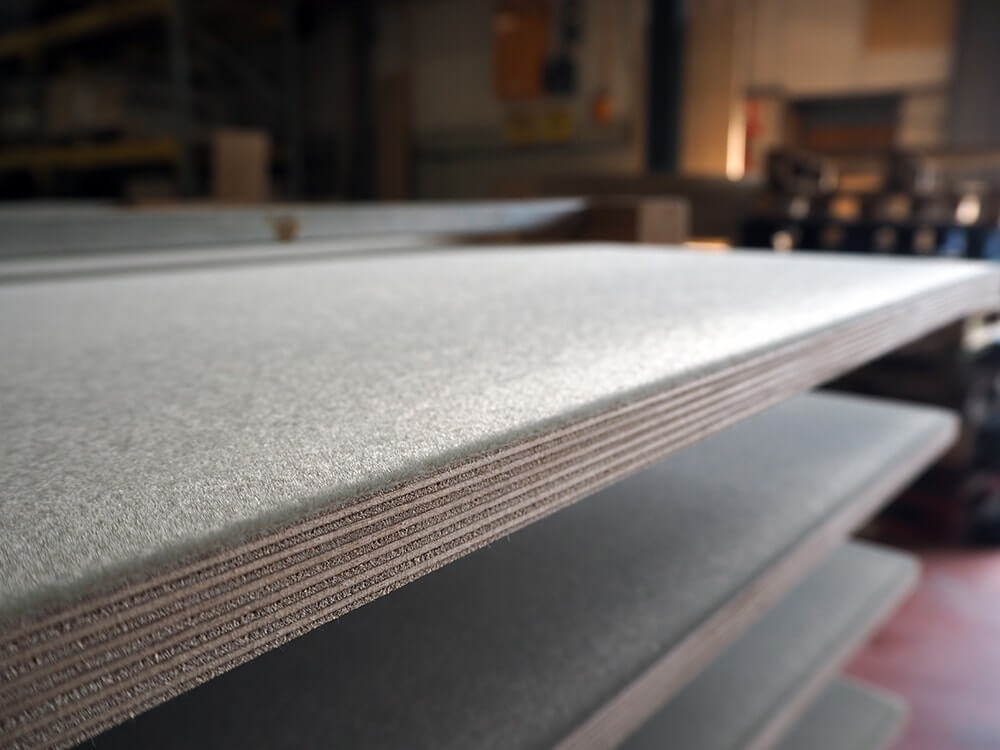
The selection of a tabletop finish should not be based on aesthetics, but on how it will impact the guest’s experience. Flock coating is a specialist finish applied to tabletops, creating a soft, textured surface that enhances both usability and the experience when used with a tablecloth. Its benefits include:
- Noise reduction – helps absorb sound from plates, glasses and cutlery, contributing to a quieter dining environment
- Improved grip – helps keep tablecloths in place and reduces movement during service
- Enhanced guest experience – provides a softer, more refined feel beneath the table setting
- Surface protection – adds a protective layer that helps maintain the condition of the table over time
For venues looking to balance operational efficiency with guest comfort, this type of finish can make a noticeable difference.
Sustainability and Long-Term Impact
Sustainability is also an important consideration for venues when selecting furniture. Lower-cost tables are often manufactured using less durable materials and processes, which can contribute to a shorter lifespan and more frequent replacement. Over time, this can lead to increased waste and a higher overall environmental impact.
By contrast, tables manufactured using accredited or responsibly sourced materials can carry a higher upfront cost, but are designed with longevity in mind. This means:
- Fewer replacements over time, reducing waste
- More efficient use of materials, as products remain in use for longer
- Lower long-term environmental impact, particularly in high-use environments
For venues looking to balance cost with sustainability goals, durability plays a key role. Investing in well-built, long-lasting furniture is not only a commercial decision, but also a more responsible one.
This is particularly relevant when working with manufacturers aligned to recognised sustainability standards, such as those assessed by the Hospitality Alliance for Responsible Procurement (HARP) powered by EcoVadis, which promotes responsible sourcing and production within the hospitality sector.
Ongoing Support and Aftercare
Another important consideration when selecting banqueting tables is what happens after the initial purchase. With lower-level options, support is often limited once the product has been delivered. If tables become damaged, worn or require maintenance, venues are typically left to resolve these issues themselves or replace the tables entirely.
By contrast, sourcing directly from an established manufacturer can provide access to ongoing support and aftercare services. This may include:
- Maintenance and refurbishment options to extend the lifespan of existing tables
- Replacement parts and repairs, helping to avoid full product replacement
- Expert guidance on care, storage and usage to maximise performance
This premium level of support not only helps protect the initial investment but also ensures tables continue to perform reliably over time. For busy venues, this can make a significant difference – reducing disruption, lowering long-term costs and supporting more consistent day-to-day operations. This is particularly valuable in high-use hospitality environments, where reliability and longevity are essential.
Making the Right Choice: A Practical Comparison
In a market where cost pressures are increasing, it’s understandable that venues look for ways to reduce upfront spend. However, when it comes to banqueting tables, the cheapest option is not always the most cost-effective.
By taking a longer-term view that considers durability, efficiency, guest experience, and ongoing support, venues can make more informed decisions that deliver lasting value.
The table below outlines some of the key differences venues often experience in practice:
| Consideration | Lower-Cost Tables | Higher-Quality Tables |
| Upfront Cost | Lower initial investment | Higher initial investment |
| Lifespan | Shorter lifespan, more frequent replacement | Longer lifespan, built for repeated use |
| Durability | More prone to wear, damage and instability | Robust construction for high-use environments |
| Operational Efficiency | Can be heavier or less efficient to handle | Designed for ease of handling and storage |
| Guest Experience | Hard surfaces can increase noise | Improved stability and quieter performance |
| Surface Finish | Basic finishes, hard surfaces, limited protection | Options such as flock coating enhance usability |
| Sustainability | More waste due to replacements | Longer lifecycle reduces environmental impact |
| Aftercare & Support | Limited or none | Ongoing support, repairs and maintenance available |
| Long-Term Cost | Can increase over time | More cost-effective over product lifespan |
If you’re reviewing your current table setup or considering alternatives, the Burgess team can help you find a solution that balances cost with long-term value. Contact our expert team on hello@burgessfuniture.com or call us on +44 (0)33 0333 9258.